
Applying DDD and EventStorming in Modern Architecture - 2-Day Format
A focused two-day Domain-Driven Design and EventStorming course for teams that need clearer boundaries and better software models.
This focused two-day format is a perfect match for those who attended the “Implementing Modern Architecture” training and want to learn how Domain-Driven Design works in real life within a compact schedule.
During 2 days, we will primarily focus on Domain-Driven Design (DDD) and EventStorming. Those tools help to align software architecture with business needs and increase the chances of an architecture being successful.
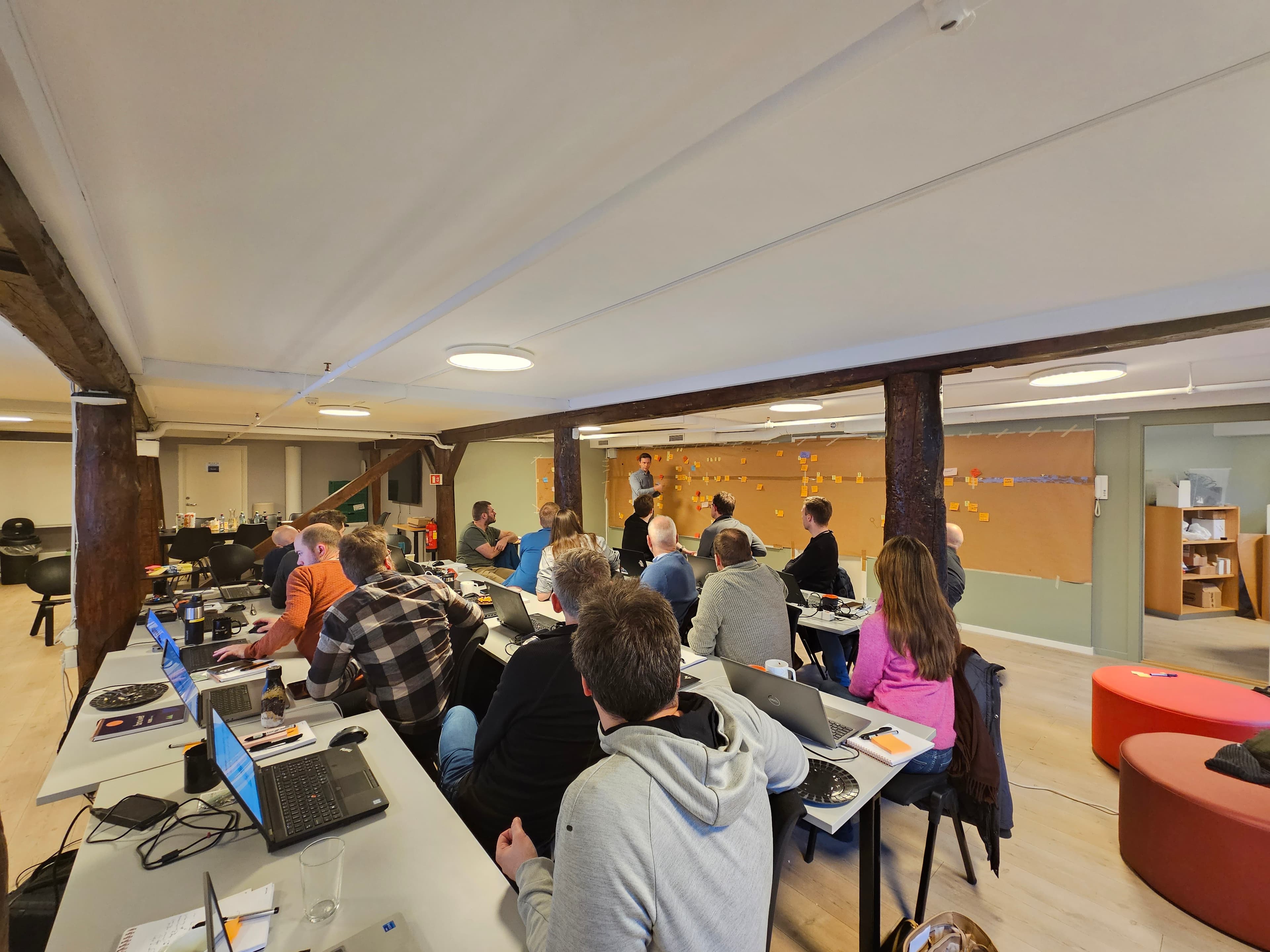
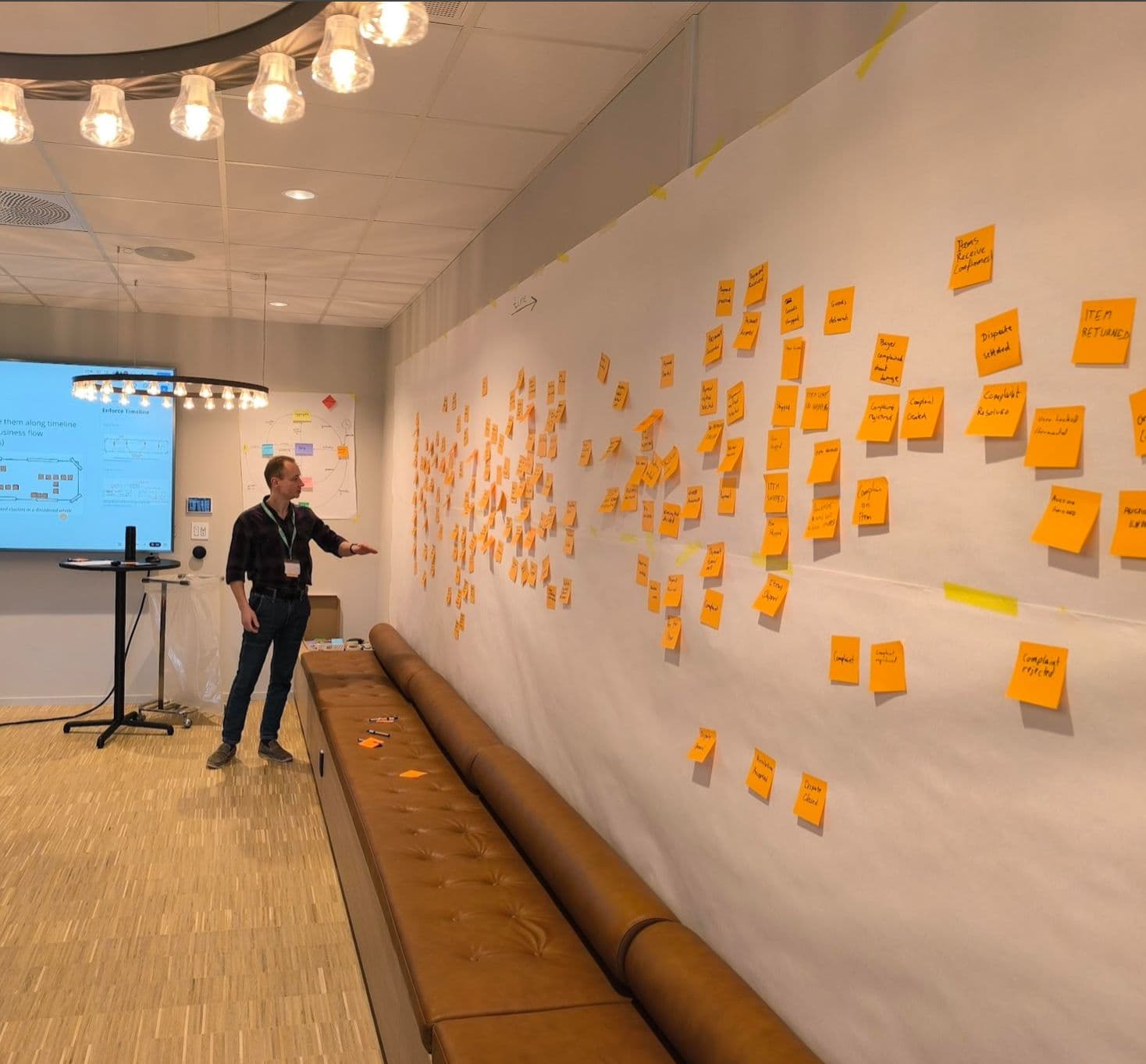
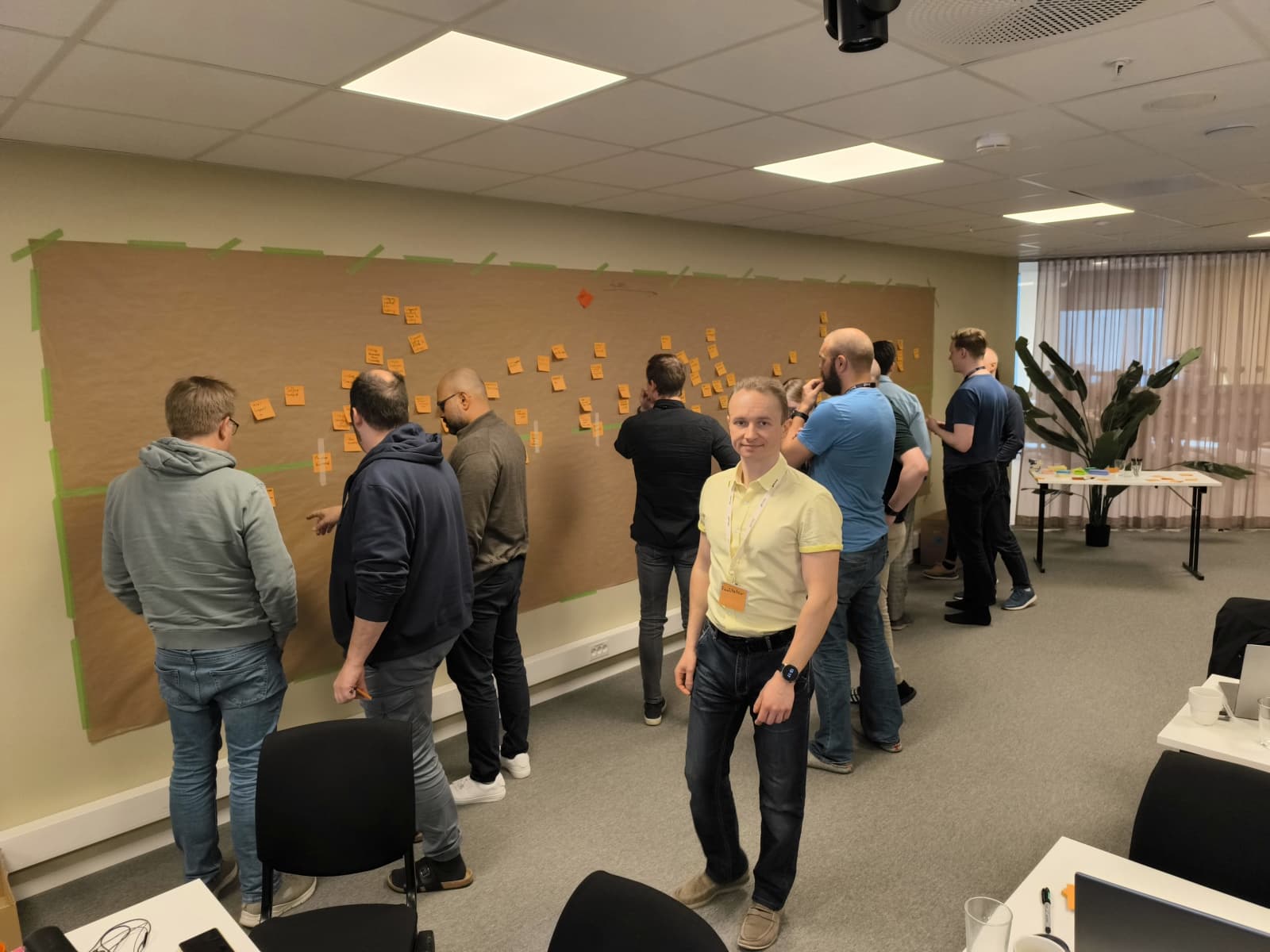
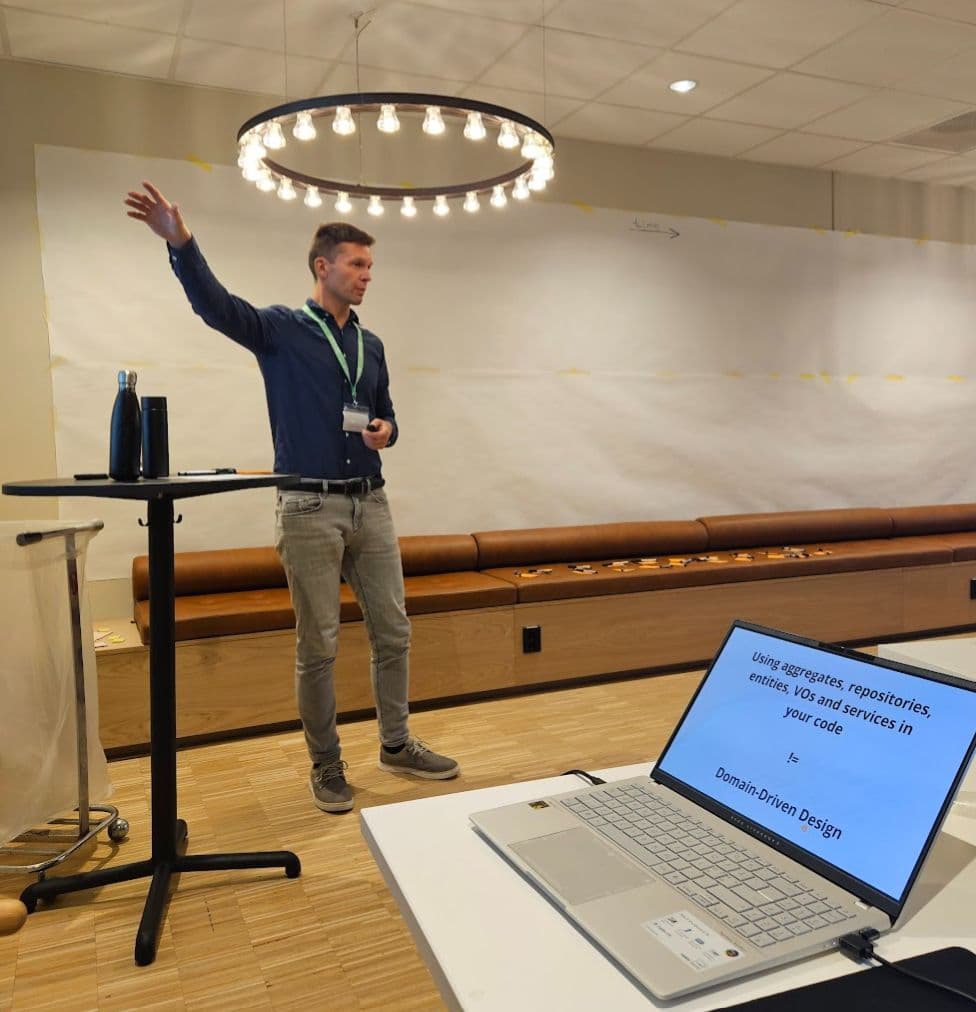
Through a series of hands-on workshops, participants will learn how to understand business needs, discover bounded contexts, and design working models using EventStorming. The training covers strategic and tactical DDD, including designing aggregates and value objects, ensuring invariants, working with domain events, accessing entities using repositories, and more. It’s ideal for IT specialists who want to build software systems that solve business problems and are well-designed from a technical perspective.
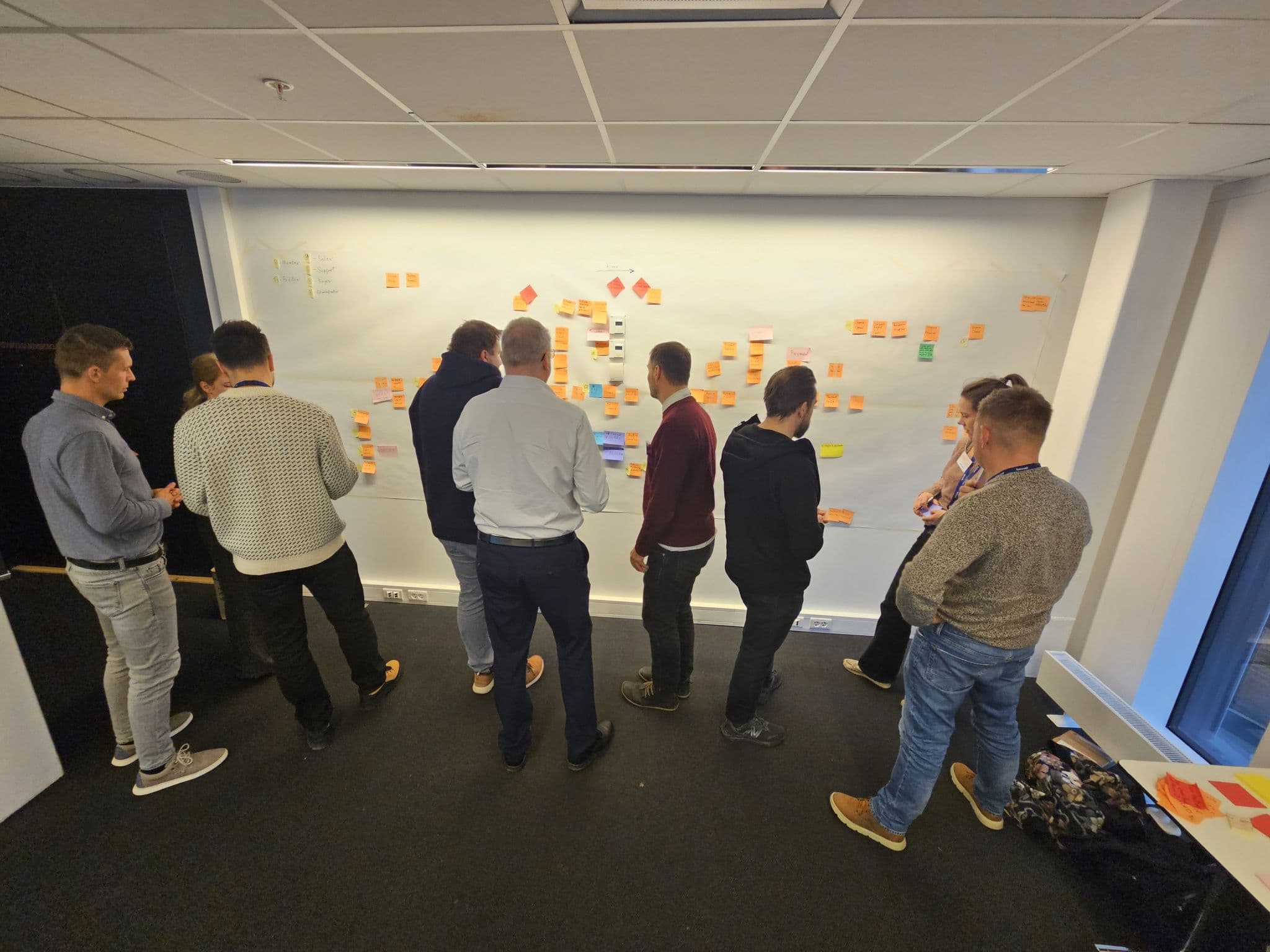
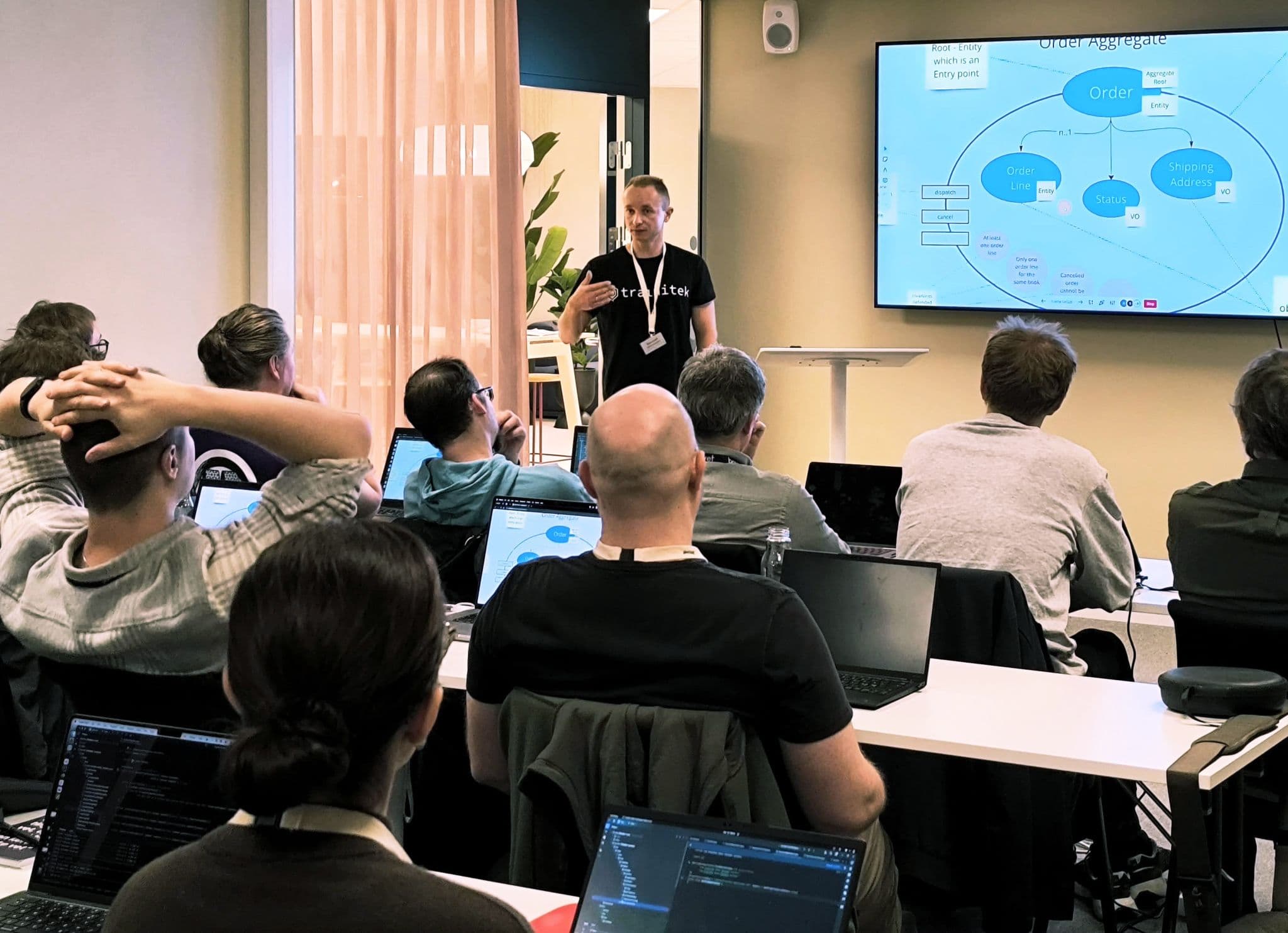
50% workshop /
50% lecture
- Training Materials
- Slack Community
Architects, Team Leads, Developers
- Big-Picture and Process-Modelling EventStorming
- Discovering Bounded Contexts
- Tactical DDD: entities, value objects, aggregates
- Ensuring invariants, modelling state transitions
- Repositories, domain services, factories, and domain events
Day 1
- •Domain-Driven Design
- ○What is DDD and why use it?
- ○Strategic DDD
- ○How to discover a Bounded Context?
- •Introduction to EventStorming
- ○What is EventStorming and why use it?
- ○Preparation for an EventStorming workshop
- •Big Picture EventStorming workshop
- ○Discovering events, systems, and actors
- •Process Modeling with EventStorming workshop
- ○Discovering Commands, Policies, and Read Models
- •Discovering Bounded Contexts workshop
Day 2
- •Essentials of Tactical DDD
- ○Value Objects
- ○Entities
- ○Aggregates
- •Discovering Aggregates workshop
- •Applying Tactical DDD in real code
- ○Designing Aggregates and Value Objects
- ○Ensuring Invariants in a Domain Model
- ○References in Object Graphs
- ○Application, Domain, Infrastructure, and Presentation layers
- ○Implementing complex scenarios using Domain Services
- ○State transitions in Aggregates
- ○Working with Events in a Domain Model
- ○Managing Aggregates using Factory, Repository, and Memento
- ○Implementing Concurrency
Related courses
Explore related courses that help your team go deeper or approach similar challenges from different angles.
Looking for a combined workshop path? Explore the Architecture and DDD package.
Applying DDD and EventStorming in Modern Architecture
A practical three-day Domain-Driven Design and EventStorming course for teams that want clearer context boundaries, better alignment between business and software, and maintainable domain models.
View courseFrom Weeks to Hours: bridging the gap between business and IT
A practical EventStorming workshop for teams that need faster alignment between business goals, product discovery, and software design.
View courseImplementing Modern Architecture
A practical modern software architecture course for development teams that need better architecture decisions in real systems.
View courseReady to Get Started?
Contact us to discuss your training needs, schedule, and how we can customize this program for your team.